
Products
Efficient energy and cooling solutions for demanding environments
TEG Modul
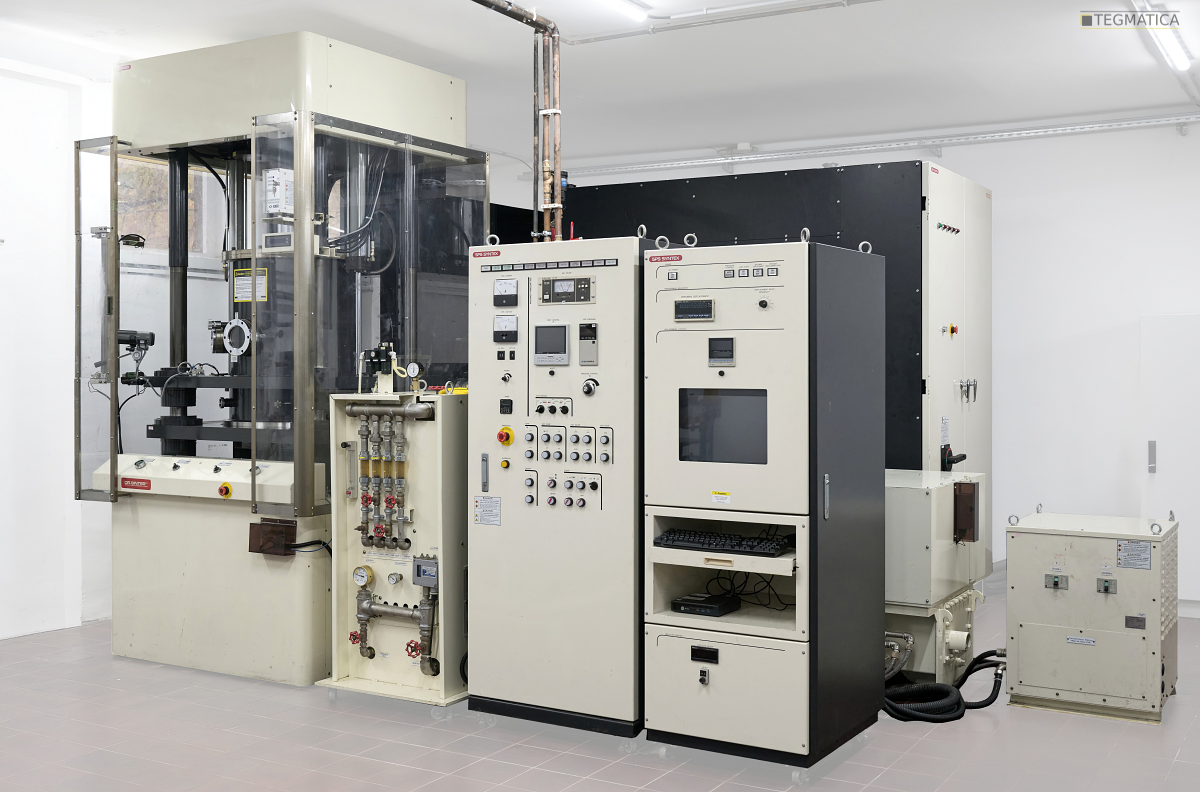
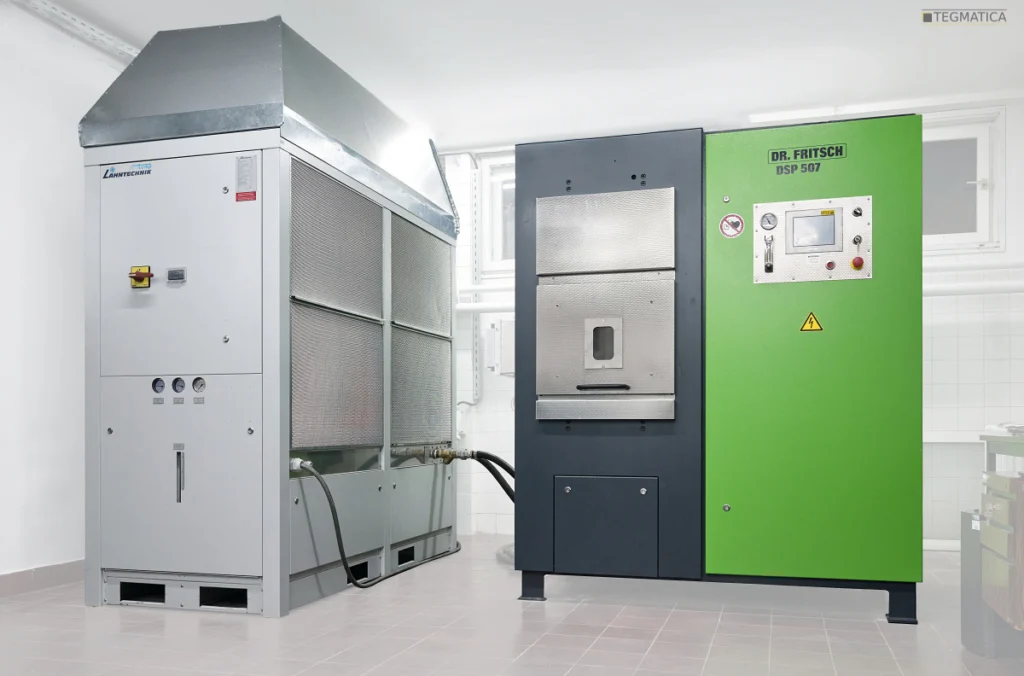
Service providing and subcontracting Solutions on Spark Plasma Sintering (SPS) Technology
As a trusted service provider or subcontractor, we deliver precision, efficiency, and adaptability across diverse manufacturing needs. With specialized equipment and technical expertise, we ensure consistent quality, helping partners scale operations, reduce costs, and achieve excellence. At the core of our subcontracting services are our state-of-the-art Spark Plasma Sintering (SPS) machines—recognized as the most advanced and attractive assets in our equipment portfolio. SPS technology enables ultra-fast densification of materials with exceptional precision, making it ideal for producing high-performance components across industries. By harnessing controlled electrical pulses and pressure, our SPS machines deliver superior mechanical properties, reduced processing times, and unmatched versatility in handling metals, ceramics, composites, and novel materials. This capability allows us to support partners in developing innovative products, scaling production efficiently, and achieving breakthrough results that conventional manufacturing methods cannot match.
FAQ – Frequently asked questions
What is the power output capacity of a single Thermoelectric Generator (TEG)?
The electrical power generated by a TEG is governed by several variables: the Figure of Merit (zT) of the p-type and n-type semiconductors, the absolute temperature of the hot side, the temperature gradient (ΔT) across the module, and the specific structural design. Typically, TEGs with small active areas generate from a few milliwatts up to several hundred milliwatts, while larger ones can reach outputs of tens of watts under optimized thermal conditions.
What is the minimum temperature difference required for TEG operation?
Operating thresholds depend on the module's material composition and intended application. Low-temperature TEGs (operating below 250°C), typically based on Bismuth Telluride (Bi2Te3), can generate measurable voltage at a ΔT as low as 5–10°C. However, for practical power harvesting, a differential of 20–40°C is generally required. Power output increases proportionally with the temperature gradient.
What is the expected lifespan of a TEG, and does it require maintenance?
TEGs are solid-state devices, containing no moving parts. They operate silently and have an operational lifespan of over 10 years. In industrial conditions, durability is influenced by peak temperature exposure, atmosphere, thermal cycling frequency, and the stability of electrical interconnections. They are considered maintenance-free and highly reliable devices.
What are the maximum operating temperatures, and can it operate in extreme environments?
Standard commercial TEGs are rated for hot-side temperatures up to approximately 200°C. However, specialized medium-temperature (250–650°C) and high-temperature (> 650°C) modules utilize advanced materials designed for such extremes. TEGs are inherently robust; they are vibration-resistant and capable of operating in vacuums, high-pressure environments, or remote, inaccessible locations.
Where can TEG systems be integrated?
TEGs can be integrated into various heat sources, including industrial piping, boilers, furnaces, internal combustion engines, automotive exhaust systems, etc. By converting waste heat into electricity, TEGs contribute to decarbonization by reducing the consumption of fossil fuels. They are ideal for retrofit solutions, providing autonomous power for IoT sensors and remote monitoring devices (which typically require 10–200 mW). They are a cost-effective solution for replacing batteries in wireless sensor systems in places with a continuous heat source. When the contact thermal resistance at the heat source is minimized, the heat flux in TEG is maximized.
What are the primary applications for Peltier (TEC) modules?
Peltier modules provide active solid-state cooling without the need for compressors and coolant (refrigerant). They are widely used for:
- Thermal stabilization of sensitive electronics and optoelectronics
- Industrial fluid cooling
- Portable/stationary refrigeration and climate-controlled enclosures
- Battery thermal management systems (BTMS)
Can the cold side of a Peltier module reach sub-zero temperatures?
Yes. Achieving sub-zero temperatures is possible, provided that the heat from the hot side is efficiently dissipated through an adequate heat sink or liquid cooling system to maintain a functional temperature gradient.
What is the operational lifespan of a Peltier module?
The lifespan depends heavily on driving conditions. When operated within recommended voltage and current limits (Vmax, Imax), followed by monitoring of hot-side heat dissipation, Peltier modules can remain operational for over 15 years.
Do you offer customized thermoelectric solutions?
Yes. We provide bespoke engineering solutions tailored to specific client requirements, ranging from specialized industrial integrations to custom prototypes for research and development.
Do you provide services beyond thermoelectric manufacturing?
Yes. Utilizing our specialized infrastructure—including Spark Plasma Sintering (SPS) technology—we offer contract manufacturing and material processing services. We can produce high-density, high-purity materials tailored to your specific technical requirements for various high-tech industries.